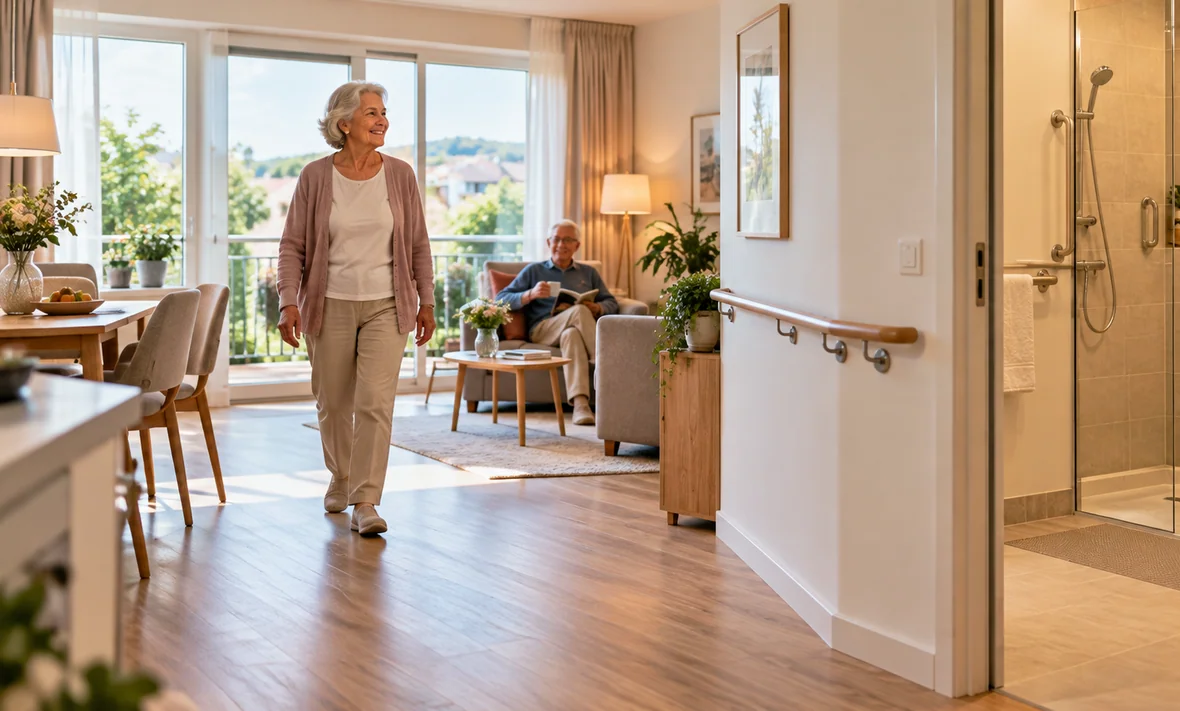
Senior housing options on the island
Most foreign retirees live independently in apartments, townhouses or villas, often in developments with shared pools and gardens. As care needs grow, the choices widen to home care, licensed residential homes for older people and nursing homes with registered nurses on duty around the clock.
Purpose-built retirement villages in the British style are uncommon, but some complexes market themselves to over-fifties and offer management services. Many residents instead rely on a combination of private carers, family visits and community support from expatriate associations and churches.
Who operates care homes
Residential homes are run by private owners, charitable foundations, church bodies and municipalities. State social welfare services license and inspect them. Before choosing, ask to see the current licence and confirm the category of care the home is authorised to provide.
Homes in Paphos, Limassol and Larnaca increasingly employ English-speaking staff, reflecting their international clientele. Smaller Greek-speaking homes in villages may be more affordable and offer a family atmosphere, but communication about medication and symptoms then requires real care and attention.
Residence rules for retirees
Citizens of EU countries can live in Cyprus if they have sufficient resources and health cover, and register after three months. Non-EU nationals, including British citizens who arrived after Brexit, generally apply for a residence permit for people with independent income who will not work.
Britons who were resident before the end of 2020 keep rights under the Withdrawal Agreement and should hold the corresponding residence document. Requirements for income, insurance and documents change, so checking with the civil registry and migration department before moving is essential.
Healthcare: GeSY and private cover
Cyprus introduced a general healthcare system, GeSY, in 2019. Legal residents who contribute or hold the right entitlement can register with a personal doctor and access public and contracted private providers. EU pensioners may be covered through an S1 form issued by their pension country.
Non-EU retirees on an independent-income permit usually need comprehensive private health insurance. Even with GeSY, many residents keep top-up cover for shorter waiting times or private rooms. Larger hospitals are in Nicosia, Limassol and Larnaca, with smaller facilities elsewhere.
Costs and budgeting
Living costs are moderate compared with northern Europe, though rents in Limassol rose sharply with the arrival of international companies. Inland villages remain cheaper. Electricity for summer air-conditioning is a significant expense, and residential home fees vary with the level of nursing required.
Home care is a common middle path. Agencies supply carers for a few hours a week, while some families employ a live-in carer from abroad, which involves work permits and employer obligations. Clarify who is legally the employer before agreeing any arrangement.
Areas popular with retirees
- Paphos: long-established British community, golf courses and a calmer pace.
- Limassol: lively seafront, hospitals and services, but high rents.
- Larnaca: close to the main airport, with a mix of beach and town life.
- Troodos foothills: cooler summers and traditional villages, though further from hospitals.
Summers are long and very hot, while winters are mild and fairly short. Older people with heart conditions should consider homes with reliable air-conditioning and shaded outdoor space. Driving is on the left, which suits many British retirees.
Housing options compared
| Option | Who it suits | Care provided | What to verify |
|---|---|---|---|
| Apartment or villa | Independent retirees | None unless arranged | Title deeds, maintenance fees |
| Over-fifties complex | Active couples | Management, social activities | Service charges, resale rules |
| Residential home | Light to moderate needs | Meals, supervision, personal care | Licence and staff ratio |
| Nursing home | High dependency | Round-the-clock nursing | Doctor visits, hospital transfers |
Fees for residential and nursing homes are usually quoted monthly and may exclude medication, incontinence supplies, physiotherapy and hairdressing. Requesting a written list of extras, with prices, makes comparisons between homes far more reliable than headline figures alone.
How to move to Cyprus step by step
- Check your residence route according to nationality and gather income evidence.
- Arrange health cover: S1 form, GeSY registration or private insurance.
- Rent for at least a year in your preferred area before buying.
- Register with the authorities and apply for the relevant residence document.
- Visit several care homes early, even if care is not yet needed.
Pitfalls and contract checks
Property purchase is where many retirees meet difficulties. Delays in issuing title deeds, unpaid developer mortgages and the legal complications of buying in the north of the island are well documented, so an independent lawyer is indispensable.
- Buying before confirming that separate title deeds exist.
- Assuming a UK state pension will rise every year; check whether it is uprated in Cyprus.
- Choosing a care home without seeing the licence and inspection outcome.
- Underestimating the impact of summer heat on health and energy bills.
Is English spoken in Cypriot care homes?
In tourist and expatriate areas, many staff speak English well, and documents are often bilingual. In rural homes, Greek predominates. Asking who will explain medication and care plans in English should be part of every visit.
Can EU pensioners use the public health system?
Yes, if they hold an S1 form from the country paying their pension and register it locally. This gives access to GeSY on the same terms as local residents, though supplementary private insurance remains useful for faster appointments.
Is the north of Cyprus a different situation?
Yes. The northern part is not under the control of the Republic of Cyprus, and its legal framework, healthcare and property rules differ completely. Retirees considering the north need specialist legal advice before renting or buying anything there.
When should a care home be booked?
Good homes in popular areas can be full for long periods. Visiting early, staying in touch with managers and understanding admission criteria allows a calmer decision when care becomes necessary, rather than accepting whatever place is free in an emergency.