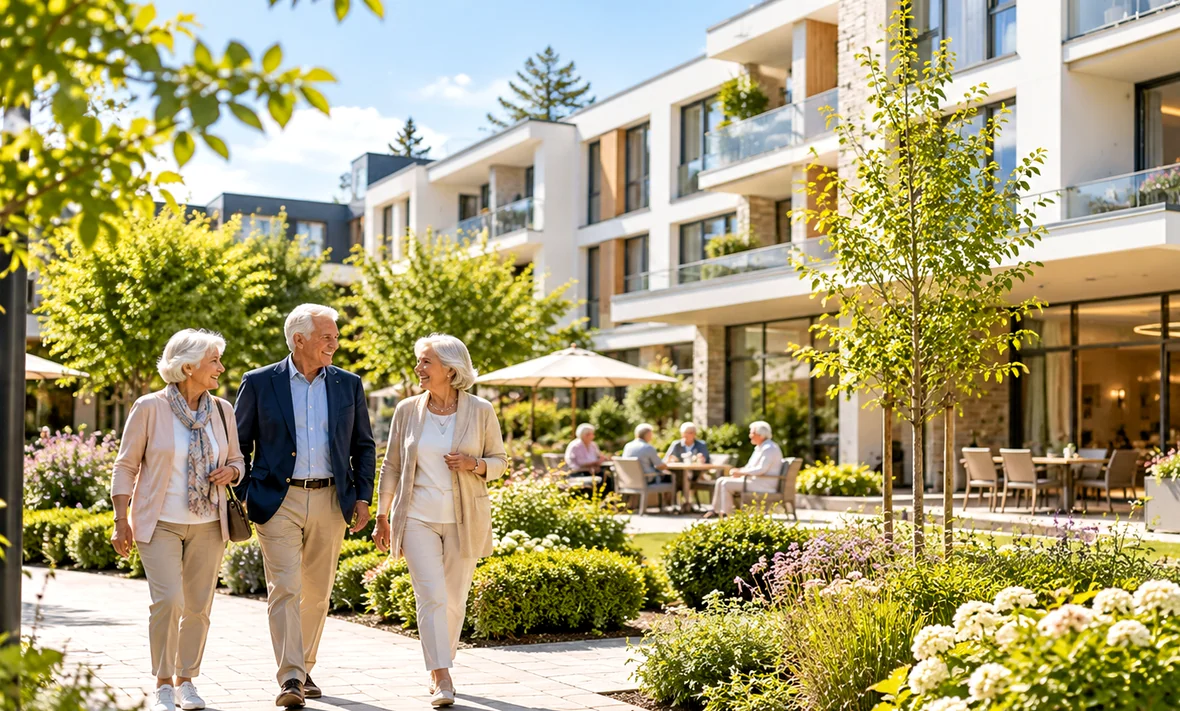
Where older foreigners live in Honduras
Roatán and Utila, the Bay Islands, host the largest English-speaking expatriate population, with condominiums, beach houses and hillside villas. On the mainland, La Ceiba, Copán Ruinas and the area around Lake Yojoa attract smaller communities seeking nature, archaeology or cooler air.
Residential homes for older people, known locally as asilos or hogares de ancianos, exist in Tegucigalpa, San Pedro Sula and several provincial towns. Most are run by churches or charitable foundations, primarily for low-income Hondurans, and rarely tailored to foreign residents.
| Setting | Lifestyle | Practical constraints |
|---|---|---|
| Roatán condominium | Expatriate community, English widely used | Higher prices, limited hospital capacity |
| Mainland coastal town | Local atmosphere, lower rents | Heat, humidity, fewer services |
| Tegucigalpa or San Pedro Sula | Best hospitals and shops | Security concerns in many districts |
| Charitable asilo | Meals and supervision | Basic conditions, Spanish only |
Support services and the role of families
Honduran elders are mostly cared for at home by relatives, and paid domestic workers are common in middle-class households. Foreigners frequently hire a housekeeper, gardener or caregiver, preferably with references and a written agreement covering hours, days off and the legally required benefits.
Expatriate associations, churches and volunteer groups on Roatán provide social contact and informal mutual help. They can point newcomers towards reliable doctors, builders and carers, but they are not substitutes for professional nursing when serious dependency arises.
Residence as a pensioner or rentist
Honduras grants residence to pensioners who prove a regular lifetime income and to rentists with stable passive revenue. The government's official list details required documents, including apostilled certificates and evidence of income, while the national migration institute processes applications and later renewals.
Newcomers usually arrive as tourists, keeping in mind that Honduras shares a single tourist allowance with Guatemala, El Salvador and Nicaragua under a regional agreement. Engaging a Honduran lawyer familiar with migration procedures helps avoid rejected files and repeated trips to the capital.
Healthcare, insurance and evacuation
Private hospitals in San Pedro Sula and Tegucigalpa offer the widest range of specialists and diagnostic equipment. Roatán has clinics and a private hospital, yet serious cases may still be transferred to the mainland or abroad, sometimes by air ambulance.
Comprehensive international health insurance with evacuation benefits is strongly advisable, especially for island residents. Check upper age limits for new policies, pre-existing condition exclusions and whether the insurer pays hospitals directly or expects you to advance costs and claim reimbursement afterwards.
Climate, regions and the cost of a retiree's budget
The north coast and Bay Islands are hot and humid, with a rainy season and exposure to Atlantic hurricanes in late summer and autumn. Highland areas such as Santa Lucía near Tegucigalpa or the region around Copán enjoy fresher temperatures and greener landscapes.
Local food, transport and household help are inexpensive, but imported goods, island electricity and furnished seafront rentals can be costly. A realistic budget includes generators or backup power, water storage, security measures and regular maintenance against salt air and tropical humidity.
What to check before signing
Land titles in Honduras can be complex, particularly on the islands and in coastal zones, so a title search and survey by an independent lawyer are indispensable. Never rely solely on a seller's or developer's own legal representative when buying.
For rentals, specify who pays utilities, repairs and storm damage. British retirees should check whether their State Pension will be uprated while resident in Honduras, and everyone should compare transfer services, as conversions into lempiras involve fees that vary considerably between providers.
Moving to Honduras in stages
Spending a trial season, ideally including the wetter months, reveals how well a location suits health and lifestyle. Preparing residence documents early in your home country prevents delays, since apostilles and police certificates are difficult to obtain once abroad.
- Compare Roatán, La Ceiba and highland towns during short stays
- Buy health insurance with evacuation and confirm age limits
- Collect apostilled civil status, police and income documents
- Engage a lawyer for the pensioner or rentist application
- Rent first and buy only after an independent title search
- Plan for hurricane preparation and backup power
Errors worth avoiding
Retirees who regret their move to Honduras often point to rushed purchases, inadequate insurance and underestimating the security situation. These recurring issues are summarised below so that readers can weigh them before committing their savings to a property.
- Paying deposits before verifying title and permits
- Settling far from any hospital with intensive care
- Assuming island clinics handle every emergency
- Neglecting home security and insurance against storms
- Living on tourist status indefinitely
Is Roatán a good choice for older retirees?
Roatán offers an English-speaking community and attractive scenery, which ease integration. Its healthcare remains limited for complex conditions, and steep roads complicate mobility, so retirees with significant health needs should weigh proximity to mainland hospitals or a return home in later years.
Can foreigners own property in Honduras?
Foreigners can generally buy property, although special rules apply in certain coastal and border zones. These restrictions and their workarounds should be explained by an independent Honduran lawyer before any reservation contract is signed or money is transferred to a seller.
Are there assisted living facilities for expatriates?
Assisted living designed specifically for foreigners is essentially unavailable. Expatriates needing help usually combine a suitable house with hired caregivers, and some eventually move closer to family abroad when nursing needs become heavier than private staff can safely handle.
How safe is Honduras for retirees?
Security conditions vary considerably between regions and neighbourhoods. Many retirees choose the Bay Islands or gated communities, follow official travel advice from their home government and adopt sensible precautions such as avoiding travel at night on isolated roads.
Sources and organisations
- SGJD – Requisitos residencia en calidad de pensionado — Official Honduran government list of documents required to obtain residence as a pensioner.
- Visa Atlas – Honduras Rentist/Pensioner — Summary of Honduras rentist and pensioner residence permits, with minimum income levels and application steps.