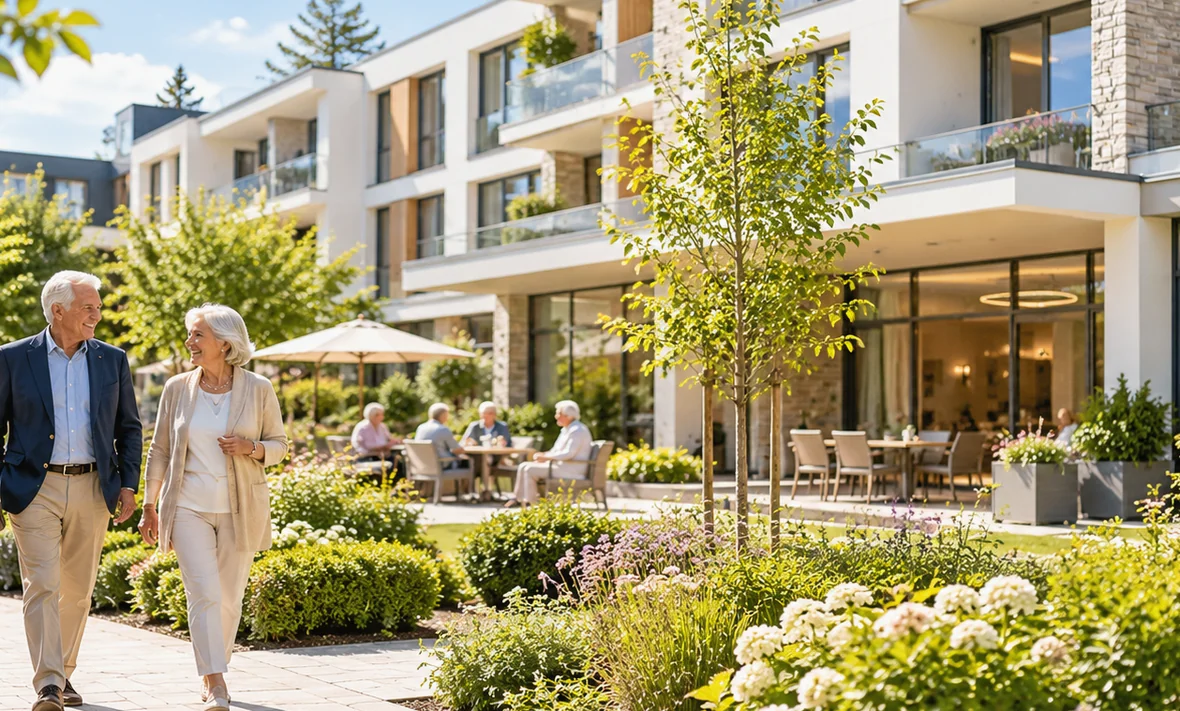
Eldercare and housing formats in Singapore
The main residential option for frail older people is the nursing home, offering round-the-clock personal and nursing care. Alongside it, senior care centres provide day activities and rehabilitation, while home care services send nurses, therapists and helpers to private homes.
Assisted living has developed more recently through private operators and public housing schemes for older citizens. Many expatriate retirees, however, stay in condominiums or serviced apartments and employ a live-in foreign domestic worker, a widespread arrangement in Singaporean households.
Who provides nursing homes and care services
Nursing homes are run by voluntary welfare organisations, private companies and some public-linked operators, under licensing by the Ministry of Health. The Agency for Integrated Care coordinates referrals, publishes information on providers and helps families navigate the different community care services.
Government subsidies for nursing homes and home care are generally reserved for citizens and, to a lesser extent, permanent residents, after a means test. Foreigners can usually be admitted to private homes but pay the full, unsubsidised rate, which is considerably higher.
Main options compared
For an expatriate, the decision often comes down to staying at home with paid support or moving into a private facility. The table below compares the formats most relevant to older foreigners living in the city-state, beyond the publicly subsidised schemes.
| Option | Who it suits | Care provided | Cost profile |
|---|---|---|---|
| Condominium or serviced apartment | Independent retirees | None included | High rents, service charges |
| Home with live-in domestic worker | Moderate support needs | Daily household and personal help | Salary, levy, permit and insurance |
| Home care services | People recovering or with chronic illness | Nursing visits, therapy | Charged per visit for foreigners |
| Private nursing home | High dependency | 24-hour nursing care | Full unsubsidised fees |
| Respite stay in a nursing home | Short-term relief for carers | Temporary residential care | Daily rate, limited duration |
Can foreign retirees live in Singapore?
Singapore has no dedicated retirement visa. Long-term stays generally depend on another basis, such as employment, family ties or investment schemes. Parents of citizens or permanent residents may be eligible for a Long-Term Visit Pass, subject to conditions set by immigration authorities.
Retirees without such links usually find it difficult to settle permanently and may only stay as visitors for limited periods. Before planning a move, consult the Immigration and Checkpoints Authority directly to understand which pass, if any, matches your situation.
Health services and insurance requirements
Public and private hospitals in Singapore offer high standards of treatment, but foreigners pay full charges without the subsidies available to citizens. National schemes such as MediShield Life cover citizens and permanent residents, leaving foreign residents dependent on private insurance or personal savings.
Choose an international health plan with high annual limits, as specialist consultations and hospital stays are expensive. Check how the insurer handles chronic conditions, rehabilitation and nursing home stays, since many policies stop paying once care becomes custodial rather than medical.
Housing costs and neighbourhoods
Rents for private condominiums are among the highest in the region, and foreigners face additional stamp duties when buying residential property. Public housing flats are largely reserved for citizens and permanent residents, so expatriate retirees rely on the private market.
Quieter districts in the east, such as Katong and Siglap, or greener areas near Bukit Timah attract older residents. The climate is equatorial, hot and humid throughout the year, with heavy afternoon showers, so air-conditioned housing and covered walkways matter.
What to verify before signing an agreement
With a nursing home, request a written breakdown of daily fees, extra charges for medication, consumables and escorting to hospital, and the deposit refund rules. Ask about the staff ratio, visiting hours and the process if the resident needs to change homes.
When employing a domestic worker, the household takes on legal duties as employer, including permits, medical checks, insurance and decent accommodation. Make sure these obligations are understood before relying on a helper as the main source of daily support.
Steps to organise senior living in Singapore
Most foreign families arrive with a clear purpose, often to be near children working in the city. The sequence below helps structure the decision for an older relative and avoids surprises with passes, insurance and the cost of residential care.
- Confirm with immigration authorities which pass allows the older person to stay long term.
- Arrange international health insurance before arrival and note its age limits.
- Ask your pension provider whether payments to Singapore are uprated.
- Compare apartments close to family, hospitals and public transport.
- Use the AIC information services to identify home care and nursing homes.
- Prepare a lasting power of attorney recognised in the relevant jurisdiction.
Pitfalls for older expatriates
Singapore is efficient, but its welfare design can surprise newcomers. Retirees and their families should watch for the following issues, which frequently lead to unplanned costs or a forced move back to the home country when care needs increase.
- Assuming government subsidies apply to foreigners.
- Relying on a short visit pass for an indefinite stay.
- Choosing insurance with low limits for hospital treatment.
- Overlooking employer obligations when hiring a helper.
- Ignoring additional stamp duties before deciding to buy.
Can a foreigner move into a Singapore nursing home?
Private nursing homes may accept foreign residents if they have a bed and the person meets their admission criteria. Expect to pay full rates without government support, and ask early, because good homes in convenient locations can have waiting lists.
Does Singapore offer a retirement visa?
There is currently no retirement visa. Long stays require another pass, for instance as a dependent or through family links with citizens and permanent residents. Requirements change over time, so verify the latest information with the official immigration authority before planning.
Is my pension taxed in Singapore?
Singapore taxes income mainly on a territorial basis, and foreign-sourced income received by individuals is often exempt. Your home country may still tax the pension, so obtain advice on the relevant tax treaty and residence rules before committing to a move.
Is English enough to manage daily life?
English is the main working language of administration, hospitals and business, which makes Singapore one of the easiest Asian destinations for anglophone retirees. Some care staff speak Mandarin, Malay or Tamil as well, which helps residents from diverse backgrounds.
Sources and organisations
- Agency for Integrated Care (AIC) – Care Services — Official Singapore AIC portal presenting nursing homes, senior care centres and other eldercare services available across the island.
- AIC – Nursing Home Respite Care — Official AIC page on short respite stays in Singapore nursing homes, including eligibility rules and how to apply.