Housing options for older people
Dominican families traditionally care for their elders at home, and care homes known as hogares de ancianos are mostly run by churches, charities or public social programmes. They serve local residents with limited means and are rarely suited to foreign retirees.
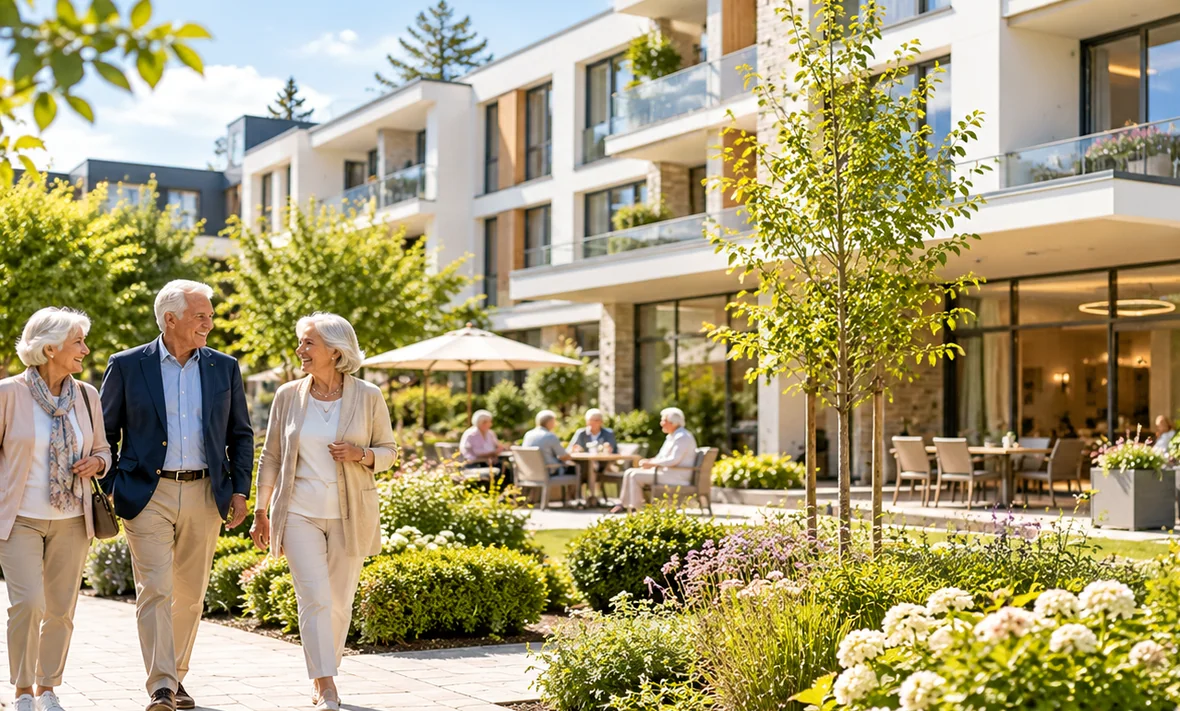
Expatriates usually rent or buy condominiums and villas, often within gated communities offering security, maintenance and sometimes shared pools or restaurants. A few developments market themselves to retirees, but full assisted-living or nursing facilities aimed at foreigners remain exceptional and require careful vetting.
Some retirees choose to spend only the northern winter in the country and keep a home elsewhere. This seasonal approach limits the commitment, preserves access to familiar health systems and allows a gradual decision about settling permanently in later years.
Comparing the realistic choices
The table compares the main possibilities. Costs are not stated because they depend heavily on location, from Santo Domingo and Punta Cana to the north coast, and on whether furniture, utilities and staff are included.
| Option | Typical provider | Who it suits | Watch for |
|---|---|---|---|
| Condominium rental | Private owners, agencies | Independent retirees testing the country | Lease in Spanish, deposit rules |
| Purchase in gated community | Developers, resale owners | Long-term settlers | Title verification, maintenance fees |
| Retiree-oriented development | Private developers | Those wanting community | Actual services versus marketing |
| Local care home | Church, charity, public programme | Mainly Dominican elders | Language, standards, capacity |
| Home with private carers | The retiree as employer | Retirees losing autonomy | Employment terms, reliability |
Residence under the pensioner law
Law 171-07 grants foreign pensioners and people with stable passive income a fast-track route to residence, with certain tax and import advantages. Applicants must prove a regular pension or income from abroad, and the process passes through Dominican consulates and the migration authorities.
- Read the text of Law 171-07 and current income requirements
- Obtain apostilled birth certificate, police record and pension proof
- Have documents translated into Spanish by an approved translator
- Apply for the residence visa at a Dominican consulate
- Complete medical checks and residence registration after arrival
Healthcare and insurance
Private hospitals and clinics in Santo Domingo, Santiago and Punta Cana offer good standards for routine and many specialised treatments. Rural areas have far fewer resources, and emergency transport can be slow, which matters for older people with chronic conditions.
Private health insurance is essential, either a local plan or an international policy with evacuation cover. Medicare does not normally pay for care outside the United States, so American retirees must plan alternatives. British retirees should check whether their State Pension is uprated there.
Areas where retirees settle
The north coast, around Sosúa, Cabarete and Puerto Plata, has long-established expatriate communities. Las Terrenas on the Samaná peninsula attracts European retirees. Punta Cana and Bávaro offer resort living close to the busiest airport, while Santo Domingo provides the best hospitals.
The climate is warm all year, with a hurricane season running roughly from June to November. Retirees should consider building quality, insurance against storm damage, generator backup and how to evacuate or reach care if roads or power are interrupted.
Budgeting for daily life
Everyday costs can be moderate for those who live like local middle-class households, shop at markets and avoid imported products. Expatriate enclaves, imported food, air conditioning, private schools for visiting grandchildren and international insurance quickly raise the monthly budget.
Electricity is often expensive, and backup systems such as inverters or generators add to running costs. Retirees should also budget for residence renewals, translations, legal fees and occasional flights home, which together form a significant annual expense.
Pitfalls specific to the Dominican Republic
- Buying property without an independent lawyer checking the title
- Relying on verbal promises of services in retiree developments
- Living far from a private hospital with a chronic illness
- Ignoring frequent power cuts and the need for backup equipment
- Letting residence documents lapse because renewal deadlines were missed
- Keeping all savings in one local bank without access from abroad
Checks before signing a contract
Have every lease or purchase contract reviewed by a lawyer who is independent of the seller. Request written details of services, maintenance fees, deposit return and termination conditions. For care arrangements, verify qualifications of carers and keep written agreements in Spanish and your language.
Frequently asked questions
Foreign retirees and their families typically ask whether real retirement homes exist, how much Spanish is needed, how secure everyday life is and what happens when health declines. Brief answers follow, intended as orientation before seeking local professional advice.
Are there assisted-living facilities for foreigners?
A handful of private initiatives exist, mainly in tourist areas, but the sector is small and changes quickly. Visiting in person, speaking with current residents and checking medical arrangements is indispensable before entrusting a relative to any such facility.
Do I need to speak Spanish?
Outside tourist zones Spanish is essential for administration, healthcare and daily dealings. Some private hospitals have English-speaking doctors, and expatriate areas offer services in English, French, German or Italian, but basic Spanish greatly improves safety and independence.
Is the pensioner residence permanent?
The pensioner route leads to residence status that must be renewed according to migration rules, with the possibility of permanent residence later. Requirements and fees change, so confirm current conditions with the consulate or an experienced immigration lawyer before applying.
What happens if I can no longer live alone?
Most retirees hire live-in carers, move closer to a private hospital or return to their home country. Discussing this scenario early with family, and keeping savings available for repatriation, prevents rushed decisions during a medical emergency.
Sources and organisations
- Justia – Ley 171-07 pensionados y rentistas — Text of Law 171-07 granting fast-track residence and tax incentives to foreign pensioners and rentiers in the Dominican Republic.